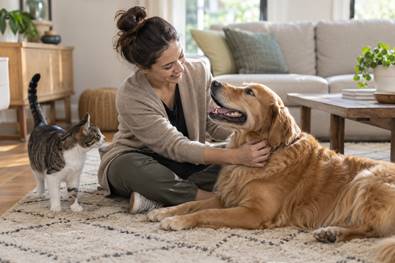
How professional pet sitters can help families notice small wellness changes
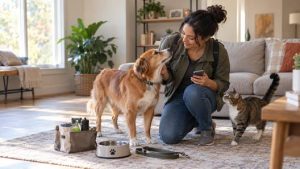
October is National Pet Wellness Month, a reminder that protecting a pet’s health is not limited to veterinary appointments. Wellness also lives in everyday routines: how eagerly a dog finishes breakfast, how often a cat visits the litter box, whether stairs suddenly seem harder, and whether a normally social pet begins hiding.
Pet parents know their animals best. A consistent professional pet sitter can provide something valuable alongside that knowledge: another attentive set of eyes. Sitters do not diagnose medical conditions, but they can notice, document, and promptly communicate changes that may deserve a closer look.
The most useful comparison is your pet’s normal
Every pet has an individual baseline. One dog may always eat slowly, while another normally finishes within seconds. One cat may greet every visitor, while another prefers to watch from a distance. A behavior is not automatically concerning because it looks unusual in another animal. What matters most is whether it is new or different for that particular pet.
Regular sitters become familiar with those patterns. Repeated visits make it easier to recognize that a water bowl is emptying faster, a walk is moving more slowly, or a pet who usually appears at the door has stayed under the bed. A single observation may have a harmless explanation, but a documented pattern can give the family clearer information.
Changes a careful sitter may notice
Eating and drinking
A sitter may notice untouched food, a sudden loss of interest in treats, unusual hunger, difficulty chewing, or a water bowl that is much fuller or emptier than expected. Appetite and thirst can change for many reasons, including stress, weather, medication, dental discomfort, and illness. The sitter’s role is to report the change accurately, not determine its cause.
Bathroom habits
Walks and litter-box care provide an important view of elimination habits. Changes may include diarrhea, constipation, straining, accidents, unusual frequency, a change in urine amount or color, or a pet repeatedly attempting to urinate. These details can be uncomfortable to discuss, but they are valuable wellness information.
Movement and comfort
A pet may hesitate before climbing stairs, struggle to rise, shorten a familiar walk, limp, move stiffly, avoid jumping, or react when touched in a certain area. Changes in posture, mobility, social behavior, and willingness to participate in favorite activities can be signs that a pet is uncomfortable.
Energy and behavior
Changes in personality are sometimes easier to see than physical symptoms. A sitter may observe new hiding, restlessness, pacing, confusion, irritability, excessive vocalizing, clinginess, or unusual fatigue. Changes in sleep, house training, social interaction, and activity can be especially meaningful in senior pets.
Breathing and physical appearance
During close contact, a sitter may notice coughing, repeated sneezing, unusual panting, labored breathing, eye or nose discharge, swelling, a new lump, a wound, irritated skin, or a coat that looks different. Photos and specific notes can help the family compare what the sitter sees with the pet’s usual appearance.
Good documentation makes observations useful
A message such as ‘something seems off’ may worry a pet parent without giving them enough information. A strong visit journal is factual and specific. It records what happened, when it happened, how much was observed, and whether the pet otherwise behaved normally.
For example: ‘Luna sniffed breakfast but did not eat during today’s visit. She drank water, used the litter box, accepted treats, and greeted me normally.’ That description is much more useful than guessing why Luna skipped her meal. It allows the family to compare the observation with what happened before and after the visit.
When a change needs immediate attention
Some observations should be communicated immediately rather than saved for the end-of-visit journal. Trouble breathing, collapse, repeated seizures, severe bleeding, suspected poisoning, significant injury, repeated unproductive attempts to urinate, or a rapidly worsening condition may require urgent veterinary guidance. Pet parents should keep veterinarian and emergency-clinic information current and provide clear authorization instructions before service begins.
For less urgent changes, the pet parent can decide whether to continue monitoring or contact the veterinarian.
Consistency strengthens the safety net
Detailed pet profiles, familiar sitters, dependable routines, and clear visit journals work together. When a substitute is needed, complete care instructions help that sitter understand what is normal. When the same sitter visits regularly, familiarity can make subtle differences easier to recognize. Both consistency and good records protect continuity of care.
Wellness is part of every visit

At Passionately Pets, a visit is more than a walk, meal, or litter-box cleaning. Our sitters pay attention to your pet’s behavior, routine, environment, and comfort, then share what they observe. We cannot promise that every health concern will be visible, and we never replace your veterinarian. What we can provide is attentive care, thoughtful documentation, and timely communication.
Your pets are part of your family. Knowing their normal—and speaking up when something changes—is one more way we treat them that way at every visit.




Leave a Reply