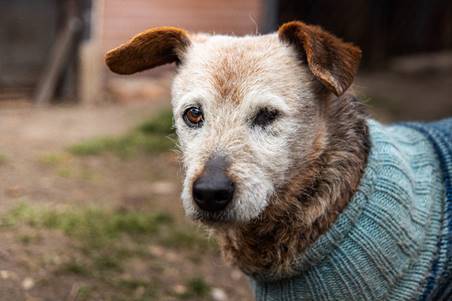
Just like people, our pets change as they age. The energetic puppy who once wanted to chase tennis balls for hours may now prefer a leisurely stroll and a long afternoon nap. The curious kitten that climbed every bookshelf may now spend more time curled up in a sunny window. Growing older is a natural part of life, and with a few thoughtful adjustments, our senior companions can continue to enjoy happy, comfortable, and fulfilling lives.

When Is a Pet Considered a Senior?
While every pet ages differently, most dogs are considered seniors around 7 years old, although larger breeds often age more quickly. Cats generally enter their senior years around age 10, with many living well into their late teens or even twenties.
As pets age, their needs evolve. Understanding these changes helps you provide the best possible quality of life.
Physical Changes to Expect in Senior Dogs
Many age-related changes happen gradually, making them easy to overlook.

Common signs include:
- Joint stiffness or arthritis, especially after resting
- Slower walks and decreased stamina
- Difficulty climbing stairs or jumping into vehicles
- Weight gain or muscle loss
- Vision or hearing changes
- More frequent naps
- Increased thirst or urination
- Changes in appetite
While some slowing down is normal, significant changes should always be discussed with your veterinarian.
Common Changes in Older Cats
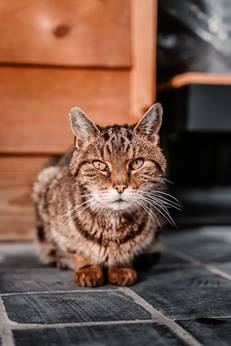
Cats are experts at hiding discomfort, which makes careful observation especially important.
Watch for:
- Less jumping onto furniture
- Sleeping more than usual
- Grooming less effectively
- Weight loss or weight gain
- Changes in litter box habits
- Increased vocalization
- Decreased interest in play
- Reduced appetite or increased thirst
Many senior cats develop arthritis, kidney disease, thyroid disease, or dental problems that can significantly affect their comfort if left untreated.
Making Your Home Senior-Pet Friendly

Small changes around the home can greatly improve your pet’s comfort.
Consider:
- Providing orthopedic beds for extra joint support.
- Using rugs or runners on hardwood floors to improve traction.
- Adding pet ramps or stairs to help access beds or couches.
- Keeping food, water, and litter boxes easily accessible.
- Raising food bowls slightly for dogs with arthritis or neck discomfort.
- Ensuring litter boxes have lower sides for older cats with mobility issues.
- Keeping furniture arrangements consistent to help pets with declining vision.
These simple adjustments can help your pet remain independent longer.
Exercise Still Matters

Many owners assume senior pets should avoid exercise, but regular activity remains one of the best ways to maintain mobility, muscle mass, and mental health.
For senior dogs, shorter and more frequent walks are often better than one long outing. Gentle play, sniff walks, and low-impact activities help keep joints moving without overexertion.
Older cats benefit from shorter play sessions using wand toys, puzzle feeders, or gentle games that encourage movement without excessive jumping.
The goal isn’t intensity—it’s consistency.
Nutrition and Routine Become Even More Important

As pets age, maintaining a consistent schedule becomes increasingly valuable.
Senior pets often thrive with:
- Regular meal times
- Consistent exercise schedules
- Predictable bathroom breaks
- Appropriate senior diets recommended by their veterinarian
- Fresh water readily available throughout the day
Routine helps reduce stress while making it easier to notice subtle health changes.
Regular Veterinary Care Is Essential
Senior pets should generally visit the veterinarian more frequently than younger adults.
Routine wellness exams help detect age-related conditions before they become serious. Your veterinarian may recommend regular bloodwork, urine testing, dental evaluations, blood pressure monitoring, or other screenings based on your pet’s age and health history.
If you live in Del Ray or the greater Alexandria area, there are several excellent veterinary practices experienced in senior pet medicine that can help keep your pet comfortable throughout their golden years.
Your Pet Sitter Can Be Your Second Set of Eyes

One of the greatest advantages of working with an experienced professional pet sitter is having someone who sees your pet regularly.
At Passionately Pets, our sitters learn each pet’s normal routines and behaviors over time. Because we visit consistently, we’re often among the first to notice subtle changes that may otherwise go unnoticed, including:
- Changes in appetite or water consumption
- Difficulty standing or walking
- New lumps or bumps
- Increased accidents in the house
- Changes in breathing
- Unusual sleeping patterns
- Confusion or disorientation
- Changes in energy level or personality

While pet sitters cannot diagnose medical conditions, recognizing these early warning signs allows us to notify owners promptly so they can consult their veterinarian.
We take the time to understand each senior pet’s unique routines, medications, mobility, personality, and comfort level. Whether your pet needs slower walks, extra patience, medication administration, or simply a familiar face during the day, we’re committed to helping them age comfortably and safely in the home they know best.
For many families, this added level of observation provides invaluable peace of mind.
Have a senior pet at home? Tell us about their unique needs, and we’ll match you with a sitter experienced in caring for older dogs and cats. From slower walks and medication administration to extra patience and personalized attention, we’re here to help your senior companion stay happy, healthy, and comfortable in the place they love most.





Leave a Reply