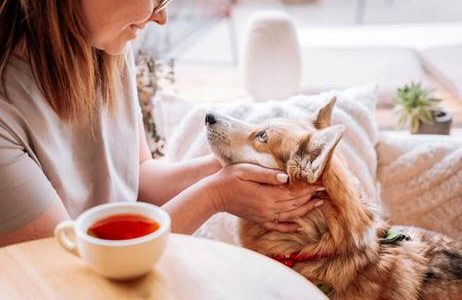

Have you ever had a bad day completely transformed by a wagging tail at the door? Or found yourself talking to your cat after a stressful meeting, only to feel calmer a few minutes later?
If so, you’re not imagining things. The comfort, happiness, and sense of connection we feel with our pets is rooted in science. Researchers have spent decades studying what is known as the human-animal bond—the unique relationship between people and animals that positively influences the health and well-being of both.
For many pet owners, dogs and cats aren’t “just pets.” They’re family members, trusted companions, confidants, and sometimes even emotional lifelines during difficult times.
But why exactly do our pets make us feel so good?
The answer lies in a fascinating combination of biology, psychology, and thousands of years of shared history.
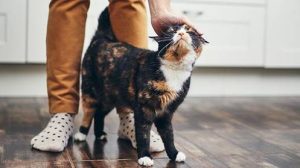
What Is the Human-Animal Bond?
The human-animal bond refers to the mutually beneficial relationship between people and animals that influences the physical, emotional, and psychological health of both.
This bond develops through daily interactions such as:
* Feeding
* Walking
* Playing
* Grooming
* Training
* Cuddling
* Simply spending time together
Over time, these interactions build trust, attachment, and emotional connection.
The result is a relationship that can have profound effects on both human and animal well-being.

Your Brain on Pets
One of the most remarkable discoveries in recent years involves a hormone called oxytocin. Often referred to as the “love hormone” or “bonding hormone,” oxytocin is released when humans experience positive social interactions.
Research has shown that simply petting your dog, making eye contact with them, or engaging in affectionate interactions can increase oxytocin levels in both you and your pet.
This is the same hormone involved in:
* Parent-child bonding
* Romantic attachment
* Feelings of trust
* Social connection
In other words, your brain responds to positive interactions with your pet in many of the same ways it responds to important human relationships.
This helps explain why seeing your dog after a long day can instantly improve your mood.

Pets Help Reduce Stress
Modern life can be stressful. Work deadlines, family obligations, financial concerns, and the constant flow of information can leave us feeling overwhelmed.
Fortunately, pets may help counteract some of those effects. Studies have found that spending time with animals can:
* Lower cortisol levels (the body’s primary stress hormone)
* Reduce blood pressure
* Decrease heart rate
* Promote relaxation
* Improve overall feelings of well-being
Many pet owners have experienced this firsthand.
After a difficult day, sitting quietly with a purring cat or taking a peaceful walk with a dog often provides a sense of calm that is difficult to find elsewhere. Pets have a unique ability to bring us into the present moment. They aren’t worried about tomorrow’s meeting or yesterday’s mistakes. They’re focused on what’s happening right now—and spending time with them often encourages us to do the same.
Pets Can Help Combat Loneliness
Loneliness has become an increasingly common issue in today’s world. People may be surrounded by technology and social media yet still feel isolated. Pets provide companionship without judgment, expectations, or complicated social dynamics. For individuals who live alone, work remotely, or are experiencing major life transitions, pets can provide a consistent source of comfort and connection. Many pet owners report that simply having another living being in the home makes them feel less alone. Dogs, in particular, can also encourage social interaction by creating opportunities to meet neighbors, visit parks, and engage with the community.
Pets Give Us Purpose
One of the most overlooked benefits of pet ownership is the sense of purpose it provides. Every day, pets rely on us. They need food, water, exercise, enrichment, medical care, and affection. This responsibility creates structure and routine.
For people experiencing stress, depression, grief, or significant life changes, caring for a pet can provide motivation to get out of bed, maintain a schedule, and stay engaged with daily life. Your pet doesn’t care what kind of day you’ve had. They simply need you. And sometimes that simple need can be incredibly powerful.

The Mental Health Benefits of Pets
While pets are not a replacement for professional mental health care, research continues to demonstrate their positive impact on emotional well-being. Many pet owners report that their animals help them:
* Feel less anxious
* Manage stress more effectively
* Feel more connected
* Experience greater happiness
* Improve emotional resilience
Therapy animals and emotional support animals have become increasingly common because of the comfort and stability they can provide during challenging situations. Even brief interactions with animals have been shown to improve mood and reduce feelings of stress.
Why Dogs and Cats Read Human Emotions So Well
Have you ever noticed your dog sitting beside you when you’re upset?Or your cat appearing in your lap during a difficult moment?Animals are often surprisingly skilled at recognizing human emotions.Dogs, in particular, have evolved alongside humans for thousands of years and have become experts at interpreting facial expressions, body language, and tone of voice.Many dogs can distinguish between happy, sad, angry, and stressed expressions.Cats may be more subtle, but research suggests they also recognize their owners’ emotional states and routines.
While they may not understand exactly why we’re upset, they often recognize when something is different and respond accordingly.

The Health Benefits Go Beyond Emotions
The human-animal bond doesn’t just influence mental health—it can also impact physical health. Research has linked pet ownership with:
* Increased physical activity
* Improved cardiovascular health
* Lower blood pressure
* Reduced stress-related symptoms
* Better recovery after illness
Dog owners, in particular, tend to walk more regularly than non-dog owners. Those daily walks add up over time and contribute to overall health and wellness for both people and pets.
The Bond Goes Both Ways
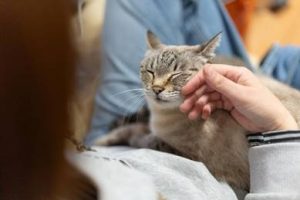
One of the most beautiful aspects of the human-animal bond is that it benefits animals as well.Pets thrive when they experience:
* Consistent care
* Positive interactions
* Mental stimulation
* Physical activity
* Trust and security
When we invest time and love into our pets, they often respond with loyalty, affection, and companionship. The relationship becomes a partnership that enriches both lives.
Strengthening Your Bond With Your Pet
Want to deepen your connection with your pet? Try incorporating more intentional interaction into your daily routine.
Some ideas include:
* Taking longer sniff walks with your dog
* Engaging in daily play sessions
* Teaching new tricks
* Practicing positive reinforcement training
* Providing enrichment activities
* Spending quiet time together without distractions
Small moments often create the strongest bonds.
Why We Do What We Do at Passionately Pets
At Passionately Pets, we witness the human-animal bond every day. We see the excitement when dogs hear their owners come home. We see cats relax when they hear a familiar voice. We see how deeply people care about their pets and how much those pets mean to their families. That’s why professional pet care is about so much more than feeding, walking, or cleaning litter boxes. It’s about helping preserve the relationships that make pets such an important part of our lives. When families are away, our goal is to provide comfort, consistency, companionship, and care so that those bonds remain strong.

The next time your dog greets you like you’ve been gone for years—even though you only stepped out for 15 minutes—or your cat curls up beside you after a difficult day, remember that what you’re experiencing is more than affection. It’s the human-animal bond at work. A relationship built on trust, companionship, and connection that has been evolving for thousands of years. And according to science, it’s one of the healthiest relationships many of us will ever have.




Leave a Reply