

Accidents and medical emergencies can happen anytime; during a walk, at home, or while traveling. Knowing a few basic pet first aid skills can make a huge difference in stabilizing your pet until you can reach a veterinarian.
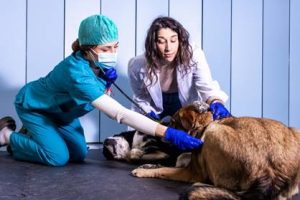
Knowing what’s normal for your pet helps you recognize when something is wrong.
What to check:
- Heart rate:
- Dogs: ~60–140 beats per minute
- Cats: ~140–220 beats per minute
(Check the femoral artery on the inside of the back leg.)
- Breathing: Watch the chest rise and fall (normal is 15–30 breaths per minute).
- Gum color: Healthy gums should be pink and moist. Pale, blue, or white gums are a red flag.
👉 Why it matters: Abnormal vitals can indicate shock, heatstroke, or internal issues.
Knowing what to do in pet emergency situations can make it easier to jump into action and could save your pet’s life.
Bleeding

Bleeding injuries are one of the most common pet emergencies.
Steps to stop bleeding:
- Stay calm and keep your pet as still as possible.
- Apply direct pressure with a clean cloth or gauze for 5–10 minutes.
- If blood soaks through, do not remove the cloth; add more layers.
- If possible, gently elevate the injured area.
Choking
Pets explore with their mouths, which means choking risks are real.
Top Choking Hazards for Pets
- Toys: Small, broken, or high-bouncing balls, as well as toys with small parts.
- Food & Treats: Rawhide chews, bones (especially cooked), large kibble, and thick treats like bully sticks.
- Household Items: String, yarn, hair ties, rubber bands, coins, batteries, and plastic wrappers.
- Outdoor Items: Sticks, twigs, and fruit pits (e.g., peach, avocado).
- Other Hazards: Vomit (in sick pets) and trash items.
If your pet is choking:
- Look inside the mouth only if it’s safe.
- Remove visible objects using your fingers or tweezers—never push deeper.
- For large dogs, gentle abdominal thrusts may help.
- For small dogs and cats, hold them with their back against your chest and apply gentle pressure just below the rib cage.
How to Handle Choking Safely
- Position your dog so their diaphragm is accessible to you (lying down on their side or standing up)
- If your dog is standing, wrap both arms around your dog’s abdomen
- Use your palm to apply pressure under their rib cage
- Press firmly inward ad upward in a thrusting motion
- Repeat 5 times or until obstruction is removed from the dog’s airway
- Check dog’s mouth for obstruction and remove it
Burns
While not ranked as the most common veterinary emergency, burns are frequent injuries for pets, often caused by household accidents, hot surfaces, or chemicals. Common causes include walking on hot asphalt, contact with heating pads or stovetops, electrical cord chewing, and chemical spills. Prompt veterinary care is critical, as severe burns can be life-threatening. Burns and heatstroke can escalate fast, especially in warmer months.
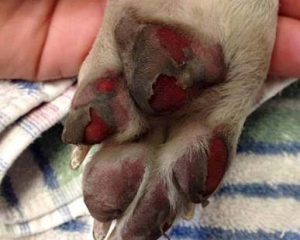
Symptoms of Burns in Pets
Signs include hair loss, curled or brittle fur, skin redness, blistering, or, in severe cases, deep, necrotic, or leathery tissue, which may be surprisingly painless due to nerve damage.
Immediate First Aid
- Safety First: Turn off the electricity before touching a pet with an electrical burn.
- Cool the Area: Apply cool (not cold) water compresses to the burn for at least 30 minutes to reduce damage.
- Do Not Use Ice: Avoid ice, butter, or ointments, as these can make the injury worse.
- Veterinary Care: Seek immediate care for any deep, large, or chemical burns, as they can lead to infections and severe systemic issues.
Heatsroke
Heatstroke is a common, Life-threatening, and preventable emergency in pets, particularly dogs, during warm weather. It occurs when a pet cannot effectively regulate its body temperature, often due to being left in hot cars, overexertion, or inadequate shade. Symptoms include heavy panting, drooling, and collapse.
Key Facts About Pet Heatstroke
- High-Risk Pets: Brachycephalic (short-nosed) breeds like Pugs and Bulldogs, overweight pets, seniors, and those with thick coats are most vulnerable.
- Common Causes: The most common cause is being left in a parked car, which can reach fatal temperatures within 10 minutes. Other causes include exercise in high heat or humidity.
- Symptoms: Look for heavy panting, rapid heart rate, dark red gums, drooling, vomiting, diarrhea, weakness, and collapse.
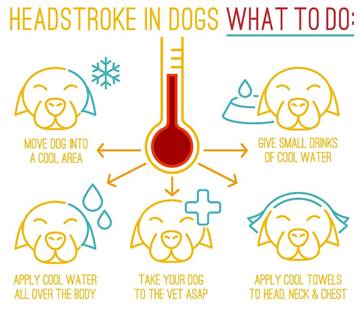
- Emergency Care: Immediate action is necessary. Move the pet to shade or air conditioning, offer small amounts of water, use a fan, apply cool (not cold) water with damp towels to their body (especially their paws and belly) and get them to a veterinarian immediately.
- Fatal Temperature: Heatstroke occurs when body temperatures rise above 104°F, with temperatures over 106°F often proving fatal.
🔥 Heatstroke is a life-threatening emergency.
Prevention Tips
- Never leave pets in a parked car, even with windows cracked.
- Walk dogs during cooler, early morning or evening hours.
- Ensure constant access to shade and fresh water.
- Be extra cautious with, and monitor, high-risk breeds.
How to Safely Transport an Injured Pet
Improper handling can worsen injuries so it is important to know how to transport injured animals.
Safe transport tips:
- Use a towel, blanket, or jacket as a stretcher.
- Keep the head, neck, and spine as still as possible.
- Muzzle dogs only if necessary and safe (never muzzle vomiting or breathing-distressed pets).
- Speak calmly and move slowly.
🚗 The goal is stability, not speed.
🧰 Bonus Tip: Build a Pet First Aid Kit
A few essentials to keep on hand:
- Gauze & non-stick pads
- Vet wrap or bandage tape
- Digital thermometer
- Tweezers
- Saline solution
- Emergency vet contact info
Pet first aid doesn’t replace veterinary care—but it buys time, reduces stress, and can save lives. Knowing a few basic first aid skills can make all the difference when the unexpected happens — but the goal is always the same: keeping pets safe, comfortable, and calm until help is available. With a little preparation, a steady approach, and lots of love, small moments of worry can turn into peaceful ones. Because when pets feel secure, they can relax — and that’s the best outcome of all.





Leave a Reply