
January is a month of fresh starts, new goals, and exciting beginnings and that includes life with a new puppy or rescue dog. Bringing a new dog into your home is an incredibly rewarding experience but it can also feel overwhelming if you are not prepared. Puppies are bundles of energy, curiosity, and love but without proper guidance, small behavioral issues can quickly turn into big frustrations. The good news is that early training, socialization, and routines can help you set your pup up for success. This blog will guide you through practical, effective strategies to start your year and your pup’s life on the right paw.
Start with a Routine

Dogs thrive on consistency. Just like humans, a predictable schedule gives them security and confidence which is essential for building trust and encouraging positive behavior. Establish regular times for feeding, potty breaks, walks, and playtime from the very first day. Puppies are still learning bladder control and self-discipline so consistent potty schedules are crucial to success. A routine also helps your dog understand what you expect from them, when it is time to play, when it is time to rest, and when it is time to focus on training. Over time, your pup will become more confident and less anxious, making your daily life smoother for both of you.
Focus on Basic Commands First

Training your puppy does not have to be overwhelming but it does require focus and patience. Start with basic commands such as sit, stay, come, and leave it. These commands are important not only for obedience but also for your dog’s safety. Teaching your dog to come when called could prevent dangerous situations and leave it can save your pup from chewing something harmful. Short, consistent training sessions of five to ten minutes work best because puppies have limited attention spans. Pair commands with positive reinforcement such as treats, praise, or play to encourage learning and make the process fun for both of you.
Potty Training Tips
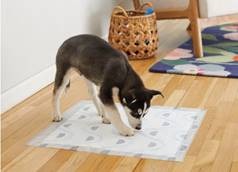
Potty training is often one of the first challenges new dog owners face but with patience and consistency it becomes manageable. Take your puppy outside frequently, especially after meals, naps, and playtime. Celebrate successes immediately with praise or a small treat so your pup understands the behavior you expect. Crate training can also be an effective tool because dogs naturally avoid soiling the place where they sleep. Be patient with accidents because scolding or punishment can create fear and confusion which slows progress. Remember that potty training is a process and every puppy learns at their own pace.
Socialization Matters

Early socialization is critical for raising a well-adjusted dog. Introducing your puppy to different people, animals, sounds, and environments gradually helps them build confidence and reduces the likelihood of fear-based behaviors later in life. Socialization is not just about exposure, it is about creating positive experiences. Encourage your pup to meet new friends, explore new spaces, and encounter various sounds in a safe and positive way. Puppy classes, walks in different neighborhoods, and playdates with other dogs are excellent ways to give your pup structured social exposure. Proper socialization now can prevent anxiety, aggression, and behavioral issues in the future.
Positive Reinforcement

Training is most effective when it is based on positive reinforcement. Rewarding desired behavior with treats, praise, or play teaches your pup that good things happen when they follow the rules. Avoid punishment or negative reinforcement because it can create fear, anxiety, and mistrust. Instead, focus on celebrating wins no matter how small. For example, rewarding your dog for coming when called in the yard or waiting calmly for food reinforces good habits. Over time, positive reinforcement builds a trusting relationship between you and your dog and makes training a fun and rewarding experience for both of you.
Health Check and Grooming

A healthy dog is a happy dog and early health care sets the stage for lifelong well-being. Schedule a veterinary checkup shortly after bringing your puppy home to ensure vaccinations are up-to-date and your pup is in good health. Begin a regular grooming routine early, including brushing, nail trims, and occasional baths so your puppy becomes comfortable with these activities. Pay attention to nutrition as well, feeding the right diet for your dog’s age, size, and breed supports proper growth, energy, and overall health. By addressing health and grooming early, you prevent many common issues and make your pup’s life more comfortable and enjoyable.
Set Realistic Goals for 2026

A new year is the perfect opportunity to set achievable goals for you and your dog. Whether it is mastering leash walking, crate training, or socializing with new dogs, breaking goals into small, manageable steps ensures progress without frustration. Keep in mind that every dog learns at their own pace so patience is key. Celebrate milestones along the way because each success strengthens your bond and builds confidence for future training. Setting clear, realistic goals now will help you and your pup thrive together throughout the year.

Starting the year with a new puppy or rescue dog is an exciting adventure filled with love, challenges, and unforgettable moments. By establishing routines, teaching basic commands, socializing your pup, using positive reinforcement, and prioritizing health, you will lay the foundation for a lifelong, happy relationship. With patience, consistency, and care, 2026 can be the year you and your furry companion grow together, building trust, understanding, and a deep unbreakable bond. Here is to a happy, healthy, and well-trained new pup this year.




Leave a Reply